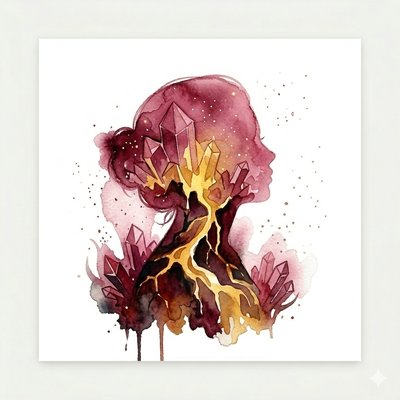
La Alquimista
Transforma el dolor en oro
MRFC
"Lo que casi te destruye se convirtió en tu mayor obra de arte."
La Alquimista (MRFC) es Transforma el dolor en oro, un tipo de personalidad mirror, roots, fire, compass. Rasgos principales: Transformador, Profundo, Intenso, Arraigado, Apasionado. Miembros famosos incluyen a Adele, Frida Kahlo, Scarlet Witch. Descubre tu tipo en mypeeps.ai con nuestro test gratuito de 12 preguntas respaldado por investigación científica.
Así Eres Tú
Has pasado por cosas que habrían roto a la mayoría de las personas. A ti no te rompieron. Te cambiaron. Y aquello en lo que te convertiste es algo más fuerte, más sabio y más hermoso de lo que eras antes. No desperdicias el dolor. Lo transmutas.
Tu proceso es interno e intenso. No procesas en voz alta, vas profundo, a las habitaciones más oscuras de tu ser, y te quedas allí hasta que entiendes. La mayoría de las personas huyen de su sombra. Tú invitas a la tuya a tomar el té y le preguntas qué necesita.
El mundo ve tu resultado, el arte, la perspicacia, la sabiduría, y piensa que fue fácil. No lo fue. Vino del fuego. Pero aprendiste que el fuego no te destruye. Te refina. Y ahora llevas una luz que nadie puede quitarte porque la construiste de tus propias cenizas.
Rasgos
Estás en Buena Compañía


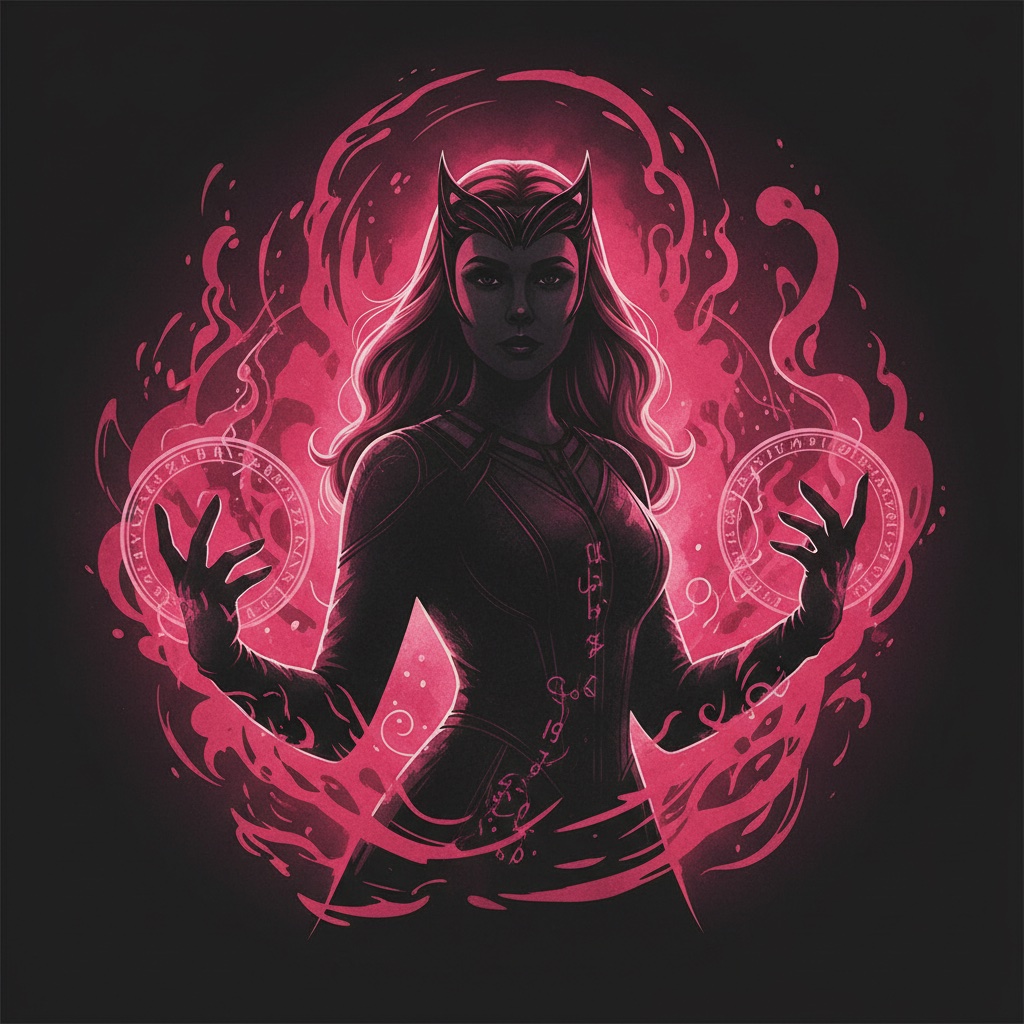



¿Qué te Hace Único?
Mirror + Roots + Fire + Compass creates the transmuter, someone who reflects deeply, stays rooted through the fire, burns with internal intensity, and knows exactly what the suffering is FOR. You don't just survive pain; you use it as raw material for gold.
Your combination is powerful because it's intentional. Where some types feel deeply and scatter, you feel deeply and FOCUS. Your Mirror reflects the pain accurately, your Roots keep you from flying apart, your Fire transforms it, and your Compass directs the output toward meaning.
Tus Fortalezas
Transmutation: you turn suffering into
Transmutation: you turn suffering into wisdom, art, and meaning
Emotional depth: you understand darknes
Emotional depth: you understand darkness in ways that let you guide others through it
Resilience: you’ve already survived the
Resilience: you’ve already survived the worst, so nothing scares you
Authenticity, your art/work carries the
Authenticity, your art/work carries the weight of real experience
Debilidades Sinceras
You may romanticize suffering, not all
You may romanticize suffering, not all pain needs to be productive
Your intensity can be isolating when you
Your intensity can be isolating when you need lightness
You might distrust happiness because you
You might distrust happiness because you’re waiting for the other shoe to drop
Your shadow work can become shadow worsh
Your shadow work can become shadow worship, sometimes it’s okay to just be light
¿Cómo tomas decisiones?
You're offered a comfortable life that requires you to stop creating from pain. Your Fire says no, the art needs the struggle. Your Compass says maybe, comfort could serve your purpose too. The grown-up Alchemist learns to create from joy, not just suffering. That's the real transformation.
Compatibilidad
Relaciones
In love, you're the person who sees your partner's wounds and isn't afraid of them. You love their darkness. The risk: you can be attracted to damage because it's familiar, mistaking dysfunction for depth. Healthy love should feel sustainable, not dramatic.
You're the friend people call when they need someone who actually listens. Not the 'mm-hmm' kind, the kind that reflects back what they said better than they said it. Your friendships are deep but few. Quantity has never been your metric.
Full relationship guide →Carrera y estilo de trabajo
Tu perfil profesional
You need work that transforms pain into meaning, art, therapy, memoir writing, addiction counseling, or any creative field where having 'been through it' is the credential. Your work is good BECAUSE you've suffered, not despite it.
Carreras ideales para ti
Therapy, counseling, or executive coaching, roles where deep listening and pattern recognition are the actual product.
UX research, strategic consulting, or editorial work, careers where understanding WHY matters more than doing WHAT.
Writing, academic research, or policy analysis, environments that reward depth of thought over speed of output.
Family therapy, community development, or local government, work that deepens connections rather than constantly building new ones.
Heritage industries, hospitality, or education, careers where institutional knowledge and continuity are genuinely valued.
Healthcare, eldercare, or mentorship programs, roles where showing up consistently IS the most important thing you do.
Performance arts, advocacy, or crisis communications, roles where emotional intensity is an asset, not a liability.
Startup founding, political campaigning, or investigative journalism, careers where passion literally fuels the output.
Competitive athletics, emergency medicine, or trial law, environments where channeling emotional power into focused action wins the day.
Mission-driven organizations, ethical business, or values-based investing, careers where your internal north star aligns with the organization's actual direction.
Quality assurance, editorial standards, or compliance, roles where 'this is the right way to do it' isn't annoying, it's the whole job.
Leadership coaching, curriculum design, or strategic planning, work where your clarity of purpose helps other people find theirs.
Carreras a Evitar
High-volume customer service or fast-paced sales floors. The constant surface interactions will drain your battery faster than a phone with 47 open tabs.
Cultures that equate visibility with value. You do your best work behind the scenes, and being forced to perform productivity is exhausting.
Startup culture that celebrates 'pivoting' every quarter. Your strength is building things that last, not things that iterate into oblivion.
Remote-first global teams with zero in-person connection. You need to see the people you're working with. Slack emojis don't count.
Passive, consensus-driven environments where every decision requires 12 approvals. Your fire will either burn the bureaucracy down or burn you out.
Roles that require emotional neutrality, diplomatic services, mediation, or certain clinical settings. You can do it, but it'll cost you.
Environments where the mission statement is marketing and the actual culture is 'whatever makes money.' You'll spend all your energy fighting a system that doesn't want to be fixed.
Roles that require constant compromise on principles. You can negotiate tactics, but compromising on values makes you physically ill.
Tu Estilo de Trabajo
You need time to think before you act. The open-plan, always-on, Slack-pinging environment is your personal circle of hell. You perform best with autonomy, quiet, and the freedom to go deep. Your insights are worth the wait, but you need managers who understand that quiet doesn't mean idle. The perfect role for you involves complex problems, long timelines, and people who appreciate nuance over noise.
Tú como colega
You're the colleague who sees the interpersonal dynamics nobody's talking about. You know why the meeting went sideways before anyone else does. Use that power wisely: your insights can either heal a team or make you the office therapist nobody asked for.
Bajo Estrés
When you're stressed, you retreat into your head. You replay conversations, analyze decisions, and build elaborate mental models of what went wrong and why. This feels like processing, but it can become rumination, the same thought loop disguised as insight.
Your stress signal is when your inner monologue becomes a courtroom drama with you as both prosecutor and defendant. When you catch yourself in the third re-analysis of the same conversation, it's time to stop thinking and start talking, to another person, out loud, imperfectly.
When you're stressed, you grab onto what's familiar. Old routines, old places, old coping mechanisms. This feels safe and stabilizing. But if the stress is caused by something that requires change, your retreat to the familiar can keep you stuck in the exact pattern that's hurting you.
Your stress signal is when you start sentences with 'I've always...' or 'That's just how I am.' When your identity becomes a shield against growth, your roots have become chains. The healthiest thing you can do under stress is try one new thing, just one, and notice that the ground doesn't collapse.
When you're stressed, your fire flares. You become more intense, more reactive, more emotionally charged. Small irritations become existential crises. Your reactions are bigger than the situation warrants, and you know it, which makes you angrier. The spiral accelerates.
Your stress signal is when you start fights about dishes when the real issue is that you feel unseen, or when you catastrophize minor setbacks into evidence that everything is falling apart. When your fire is burning out of control, you need something physical, exercise, cold water, deep breaths, to bring your nervous system back to baseline before you try to think.
When you're stressed, you grip your direction harder. You become more rigid, more certain, more unwilling to consider alternatives. This looks like strength, clear head, decisive action, but it's actually fear disguised as conviction. You're afraid that loosening your grip means losing your way.
Your stress signal is when other people's perspectives start feeling like attacks on your identity. When 'I disagree' triggers 'you don't understand me,' your compass has become a weapon. The healthiest response is to deliberately seek out a perspective that challenges your certainty. Not to adopt it, just to hold it alongside your own.
When overwhelmed, create. Your fire needs an outlet, and if you don't give it one, it'll consume you from the inside. Write, paint, build, sing, let the pain exit through your hands.
¿Cómo te Comunicas Bajo Presión?
You communicate through carefully chosen words. When you speak, it carries weight because people know you've thought deeply before opening your mouth. Your feedback is precise, your questions are incisive, and your observations are often uncomfortably accurate.
The gap in your communication is spontaneity. By the time you've processed your perfect response, the moment may have passed. Practice speaking at 70% formation, your half-formed thoughts are better than most people's finished ones.
You communicate through reliability. Your words have weight because you've always backed them up. People trust your promises because you've never broken one (or if you have, you fixed it). Your communication style is steady, warm, and grounding.
The gap is that you can default to 'safe' conversations. You know how to make people comfortable, but sometimes growth requires discomfort. Practice sharing an opinion that might create friction. Your relationships are strong enough to handle it.
You communicate with your whole body. Your face, your voice, your posture: everything broadcasts your emotional state. This makes you incredibly authentic and compelling. When you're excited, the whole room catches fire. When you're angry, nobody misses it.
The gap is volume control. Not literal volume, emotional volume. You can accidentally silence quieter communicators by filling all the emotional space in a conversation. Practice leaving silence after you speak and explicitly inviting others to respond.
You communicate with purpose and clarity. Every conversation with you goes somewhere. You don't ramble, you don't hedge, and you don't say things you don't mean. This makes you trustworthy and efficient: people know that when you speak, it matters.
The gap is curiosity. Your clarity can come across as closed-mindedness. Practice asking 'tell me more' even when you already have an opinion. People will share more with you when they feel explored, not evaluated.
Reto de crecimiento de 7 días
Small daily actions to build resilience and break your stress patterns.
Monday: Create something from happiness instead of pain. See what comes out.
Tuesday: Accept a compliment without deflecting. Just say 'thank you.'
Wednesday: Enjoy something shallow, a bad movie, a silly song. Let it be light.
Thursday: Tell someone about a joy, not a wound. Let them see you happy.
Friday: Forgive yourself for one thing. Not the big ones yet. Start small.
Saturday: Spend time in sunlight. Your shadow work needs balance.
Sunday: What did you transform this week? Was it necessary, or was it habit?
Ruta de crecimiento
Let yourself feel joy without analyzing it
Let yourself feel joy without analyzing it. Not everything needs to be deep.
Accept a compliment without deflecting
Accept a compliment without deflecting. Say ‘thank you’ and stop there.
Create something from happiness instead of pain
Create something from happiness instead of pain. See what comes out.
Forgive yourself for the things that broke you
Forgive yourself for the things that broke you. They’re not your fault.
Vida diaria
You communicate through carefully chosen words. When you speak, it carries weight because people know you've thought deeply before opening your mouth. Your feedback is precise, your questions are incisive, and your observations are often uncomfortably accurate.
Communication, hobbies, pets & more →Tu rival

Tú exploras las profundidades. Ellos bailan en la superficie. Tú te anclas en la intensidad. Ellos flotan en la ligereza. Tú eres la crisálida. Ellos son la mariposa.
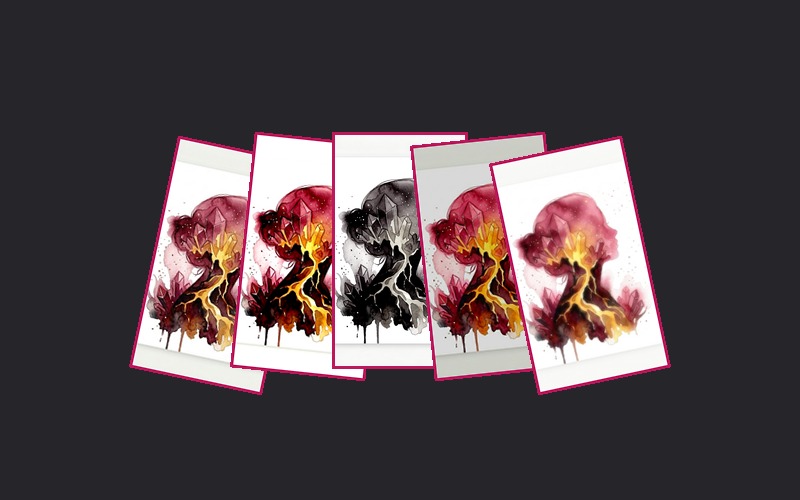 NEW
NEW Mood Wallpaper Pack
$266 mood wallpapers (Power, Storm, Calm, Love, Shield, Growth) + 3 affirmation lock screens. 9 exclusive phone backgrounds.
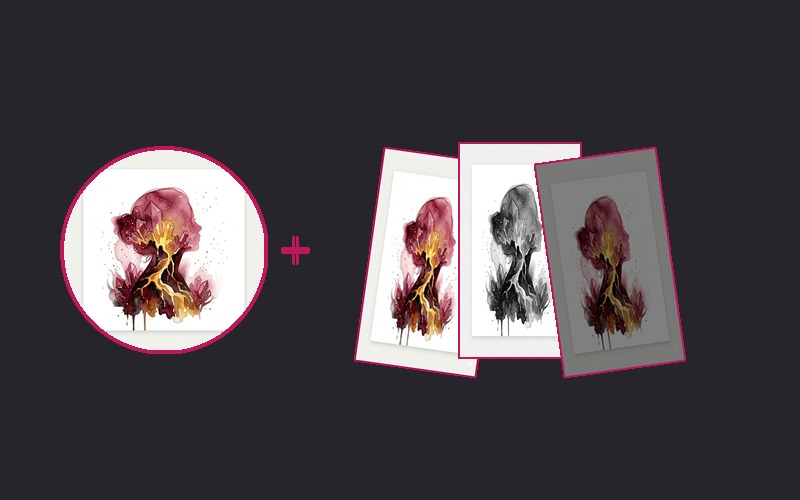 BEST VALUE
 Complete Bundle
$44Everything: your full archetype report + 9 exclusive wallpapers. Best value.
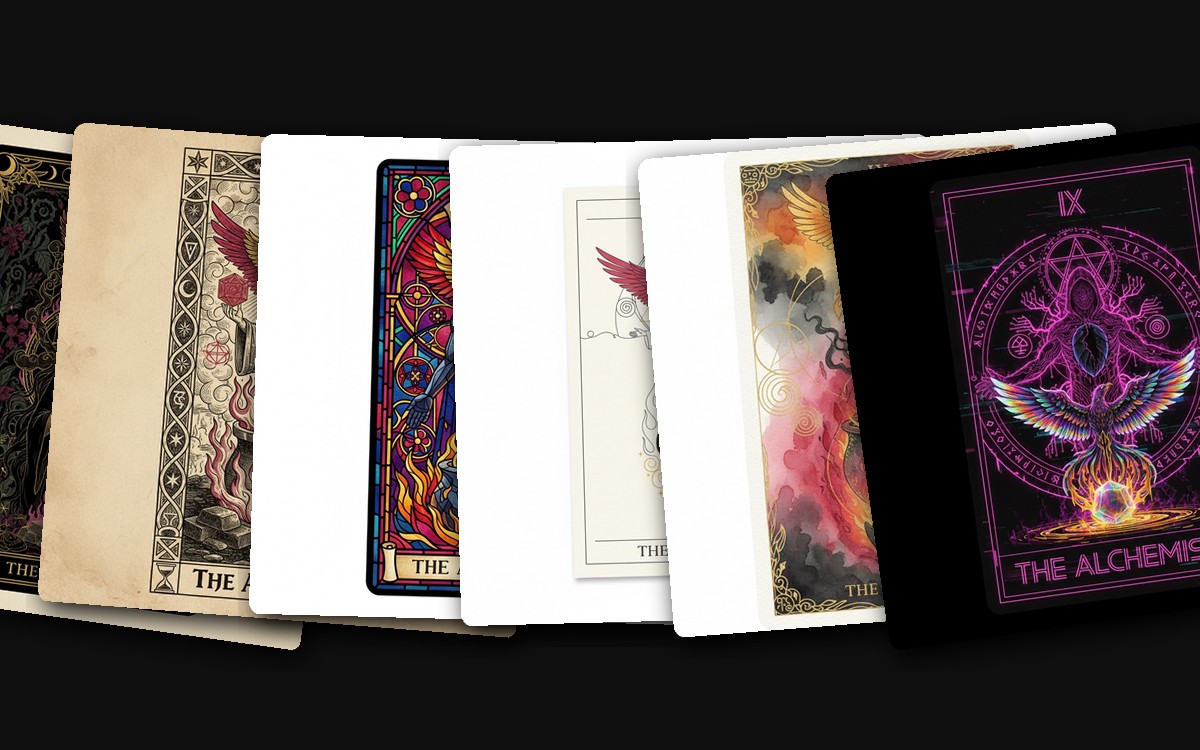 EXCLUSIVE
 Tarot Card Collection
$496 premium print-quality tarot cards in 6 stunning styles: Dark Botanical, Vintage Woodcut, Minimalist Line, Neon Mystic, Stained Glass, Watercolor Dream. Collector edition.
Pay what you want, starting at $1. Every contribution keeps this quiz free, ad-free, and accessible to everyone. Schools and NGOs get everything at no cost. This is self-knowledge for the people, not profit.
Preguntas Frecuentes
¿Qué tipo de personalidad es La Alquimista?
La Alquimista es el tipo Transforma el dolor en oro (MRFC): Mirror · Roots · Fire · Compass. Has pasado por cosas que habrían roto a la mayoría de las personas. A ti no te rompieron. Te cambiaron. Y aquello en lo que te convertiste es algo más fuerte, más sabio y más hermoso de lo que eras antes. No desperdicias el dolor. Lo transmutas.
¿Quiénes son miembros famosos de La Alquimista?
Miembros famosos de La Alquimista incluyen a Adele (Convirtió el desamor en los álbumes más hermosos del mundo, alquimia en tiempo real.); Frida Kahlo (Pintó su dolor con tanta honestidad que se convirtió en arte universal, pura energía alquimista.); Scarlet Witch (Transforma el dolor en poder, va más profundo que nadie, intensidad sin medida (Marvel).); Amy Winehouse (Convirtió el dolor puro en un arte tan honesto que el mundo no pudo apartar la mirada.); Alanis Morissette (Transmutó la rabia y el desamor en himnos que sanaron a millones.); Florence Welch (Canaliza algo antiguo y feroz, arte hecho desde los lugares profundos.).
¿Cuál es el rival de La Alquimista?
El rival de La Alquimista es El Espíritu Libre (Indomable, incontenible, inolvidable). Tú exploras las profundidades. Ellos bailan en la superficie. Tú te anclas en la intensidad. Ellos flotan en la ligereza. Tú eres la crisálida. Ellos son la mariposa.
¿Cómo funciona el test de personalidad?
El test tiene 12 preguntas que mapean 4 ejes binarios con 3 preguntas de elección forzada cada uno. La elección forzada binaria prácticamente elimina el sesgo (d=0.06, Cao & Drasgow 2019). Dos ítems por escala es el mínimo validado para validez de criterio (Crede et al. 2012); usamos tres por eje porque un número impar no puede empatar, así que ningún eje necesita una regla de desempate que favorezca a un polo. Ver nuestra metodología completa. Los resultados son gratuitos, instantáneos y no se requiere email.
Profundiza en La Alquimista
Conoce las fortalezas y superpoderes de La Alquimista, descubre con quién es más compatible La Alquimista y lee la guía completa de relaciones y amor de La Alquimista.
En el trabajo, explora las mejores carreras para La Alquimista y entiende cómo La Alquimista maneja el estrés. Para el día a día, mira a La Alquimista en la vida cotidiana y conoce a los miembros famosos de La Alquimista.

Get your full The Alchemist report, free
Your The Alchemist report: your emotional blueprint, superpowers, blind spots, compatibility, and growth. One email and it is yours.
One email. One confirmation click and the PDF is yours. No spam, leave anytime.