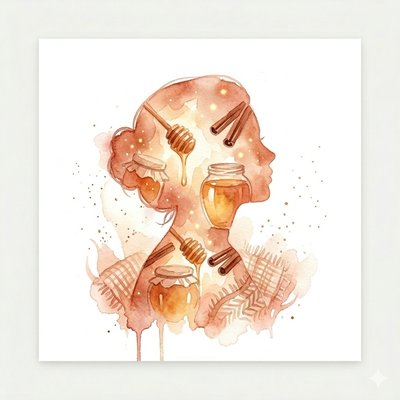
Under Stress
The Nurturer - Holds the world together
Your Stress Pattern
When you're stressed, your first instinct is to DO something, anything. Clean the house, start a project, help someone, fix a problem that isn't yours. This looks productive from the outside. From the inside, it's avoidance with good optics. The thing causing the stress doesn't get addressed because you're too busy being useful somewhere else.
Your stress signal is when you can't sit still. When every quiet moment feels intolerable, when you'd rather reorganize the garage than feel what you're feeling: that's your cue to stop. Not forever. Just long enough to ask: what am I running from?
When you're stressed, you grab onto what's familiar. Old routines, old places, old coping mechanisms. This feels safe and stabilizing. But if the stress is caused by something that requires change, your retreat to the familiar can keep you stuck in the exact pattern that's hurting you.
Your stress signal is when you start sentences with 'I've always...' or 'That's just how I am.' When your identity becomes a shield against growth, your roots have become chains. The healthiest thing you can do under stress is try one new thing, just one, and notice that the ground doesn't collapse.
When you're stressed, you go quiet. You adapt so seamlessly to the needs around you that nobody notices you're drowning. You keep flowing, keep accommodating, keep being the calm one, while internally, you're disappearing. Your stress response is invisible, which makes it dangerous.
Your stress signal is when you can't remember the last time you said 'no' or the last time you wanted something for yourself. When your adaptability becomes self-erasure, you need to create a disruption, say something selfish, make a demand, take up space. It will feel wrong. It's not.
When you're stressed, your mind fragments. Every perspective is equally valid, every option equally possible, every emotion equally intense. You spin through possibilities without landing on any of them. Analysis paralysis meets emotional overwhelm, and the result is a strange combination of hyperactivity and paralysis.
Your stress signal is when you can't finish a sentence because three other thoughts keep interrupting. When your beautiful kaleidoscope becomes a whirlpool, you need to simplify: one thing, one focus, one decision. Not because the other perspectives don't matter, but because you can't see anything clearly when everything is spinning.
When overwhelmed, resist the urge to nurture someone else as a way to avoid your own feelings. Your antidote is asking 'what do I need right now?' and actually answering it.
Emotional Wellbeing
How your personality type experiences anxiety, burnout, and resilience.
Your Anxiety Signals
Your anxiety manifests as hyperactivity. You can't sit still, you make lists at 3am, you start solving problems that don't exist. Your body processes anxiety as urgency: everything needs to be done NOW.
Your anxiety manifests as control over your immediate environment. You reorganize, you tighten routines, you check on people. If the outside world is unstable, you make your personal world as predictable as possible.
Your anxiety is invisible. You absorb everyone else's stress like a sponge and carry it as if it's yours. You don't look anxious: you look tired. But underneath the calm surface, you're drowning in emotions that don't even belong to you.
Your anxiety manifests as cognitive overwhelm. Every thought triggers five more, every feeling contains multitudes, every decision branches into infinite possibilities. Your mind becomes a kaleidoscope spinning so fast you can't see any single image.
Burnout Warning Signs
You stop being proactive and start being reactive. When the Torch burns out, you go from 'I'll handle it' to 'I don't care.' The shift is sudden and alarming, both to you and everyone around you.
You stop reaching out. When the Roots wither, you isolate, but it doesn't look like withdrawal because you're still physically present. You're just emotionally unavailable, going through the motions of connection without actually connecting.
You become resentful. When Water burns out, the person who always said yes starts silently keeping score. You haven't changed your behavior: you've just stopped meaning it. The accommodation continues, but the love behind it has curdled.
You go monochrome. When the Kaleidoscope burns out, the person who saw beauty everywhere suddenly sees nothing. The world flattens into gray, and the perspectives that used to energize you feel like burdens.
Your Resilience Superpower
Your ability to act gives you a recovery tool most people lack: you can literally work your way back to feeling better. Physical action resets your nervous system. Use it intentionally, not reflexively.
Your support network is your recovery system. You've invested so deeply in relationships that when you finally let people know you're struggling, the response is overwhelming. Let them help.
Your flexibility means you recover by finding new flow. You don't need to go back to how things were: you can reshape yourself around the new reality. Just make sure the new shape is one YOU chose, not one others molded for you.
Your ability to see multiple possibilities means you can always find a new angle on recovery. When one path is blocked, you naturally see three others. The key is choosing one and following it, not just admiring the options.
Health & Energy
Exercise Style
You need exercise that feels like doing something, hiking, martial arts, CrossFit, team sports. Pure cardio on a treadmill feels pointless to you. Your body needs a mission, not just movement.
You need exercise that's consistent and community-oriented, walking groups, regular gym buddies, team sports with the same people every week. The routine matters as much as the exercise.
You need exercise that flows, swimming, tai chi, yoga, dance, long walks by water. High-impact, aggressive exercise feels jarring to your system. Your body wants grace, not force.
You need exercise that engages your creativity, dance improvisation, parkour, circus arts, outdoor exploration. Anything with rigid structure and repetitive movements will have you quitting by week two.
Energy Patterns
You run hot until you crash. You don't have a gradual energy decline: you're at 100% until you're suddenly at 0%. Build recovery into your schedule before your body forces it.
Your energy is steady and sustainable. You don't have dramatic peaks and crashes: you have a reliable engine that runs all day. The risk is that you never push into the higher gears because comfortable feels good enough.
Your energy adapts to your environment. In a high-energy group, you match it. Alone, you're calmer. This means your fitness is heavily influenced by the people around you. Choose workout partners who elevate, not deplete.
Your energy is unpredictable and multi-directional. You can have a burst of creative energy at 11pm and feel sluggish at 2pm. Traditional schedules don't match your rhythm. Build fitness around YOUR energy patterns, not the gym's class schedule.
Wellness Tips
Your wellness blindspot is recovery. You treat rest as laziness. Build it into your routine as a non-negotiable task, because that's the only way you'll do it.
Your wellness blindspot is comfort eating. Food is love, community, and tradition for you, which is beautiful until it becomes your primary coping mechanism. Notice when you're eating to feel grounded vs eating to avoid feeling.
Your wellness blindspot is absorbing others' physical tension. You carry stress in your body that isn't even yours. Regular bodywork, massage, stretching, floating, is essential, not luxury.
Your wellness blindspot is starting things. You have 14 fitness apps, 3 yoga mats, and a resistance band collection that could open a store. The issue isn't equipment or intention: it's follow-through. Pick one thing and do it for 30 days.
How You Communicate Under Pressure
You communicate through demonstration. 'Let me show you' is more natural to you than 'let me tell you.' You build trust through consistent action, not eloquent words. People know where they stand with you because your behavior is your message.
The gap in your communication is the emotional layer. You express care through effort, but some people need to hear the words. Practice saying 'I love you' or 'I'm worried about you' without immediately following it with an action item.
You communicate through reliability. Your words have weight because you've always backed them up. People trust your promises because you've never broken one (or if you have, you fixed it). Your communication style is steady, warm, and grounding.
The gap is that you can default to 'safe' conversations. You know how to make people comfortable, but sometimes growth requires discomfort. Practice sharing an opinion that might create friction. Your relationships are strong enough to handle it.
You communicate through attunement. You match the emotional frequency of whoever you're talking to, which makes them feel deeply understood. You're the person who makes introverts open up and extroverts calm down. Your communication is a bridge.
The gap is your own voice. You're so good at reflecting others that people may not know what YOU actually think or feel. Practice starting sentences with 'I want' or 'I believe' without checking the room's temperature first.
You communicate through association and metaphor. Your mind connects ideas from wildly different domains, creating insights that are both surprising and illuminating. Conversations with you are never boring: they're adventures in perspective.
The gap is accessibility. Your leaps can lose people who think more linearly. Practice the bridge sentence: 'Here's how this connects' before making your kaleidoscopic jump. You'll lose none of the magic and gain all of the clarity.
7-Day Growth Challenge
Small daily actions to build resilience and break your stress patterns.
Monday: Let something fall apart without fixing it. Just watch.
Tuesday: Ask someone you always give to for something specific. Watch their face.
Wednesday: Leave a gathering before everyone else is comfortable. They'll survive.
Thursday: Cook or create something entirely for yourself, not to share.
Friday: Say 'I love you AND I can't do that right now.'
Saturday: Spend 3 hours doing only what YOU want. No caretaking.
Sunday: Write down everything you gave this week. Now write what you received. Balance it.
Growth Path
Let something fall apart this week without rushing
Let something fall apart this week without rushing to fix it. See what happens.
Ask for something you need from someone you always
Ask for something you need from someone you always give to. Watch their face light up.
Practice the phrase: ‘I love you AND I can’t do th
Practice the phrase: ‘I love you AND I can’t do that right now.’
Take yourself on a date
Take yourself on a date. You deserve the care you give everyone else.
Keep exploring
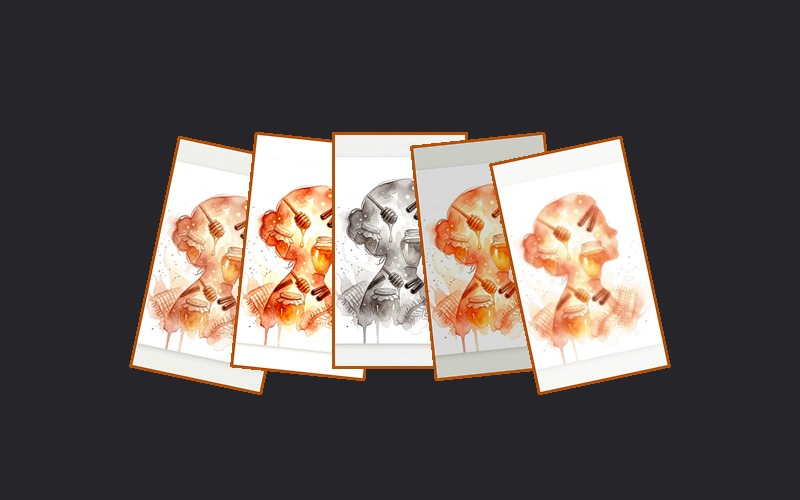 NEW
NEW Mood Wallpaper Pack
$266 mood wallpapers (Power, Storm, Calm, Love, Shield, Growth) + 3 affirmation lock screens. 9 exclusive phone backgrounds.
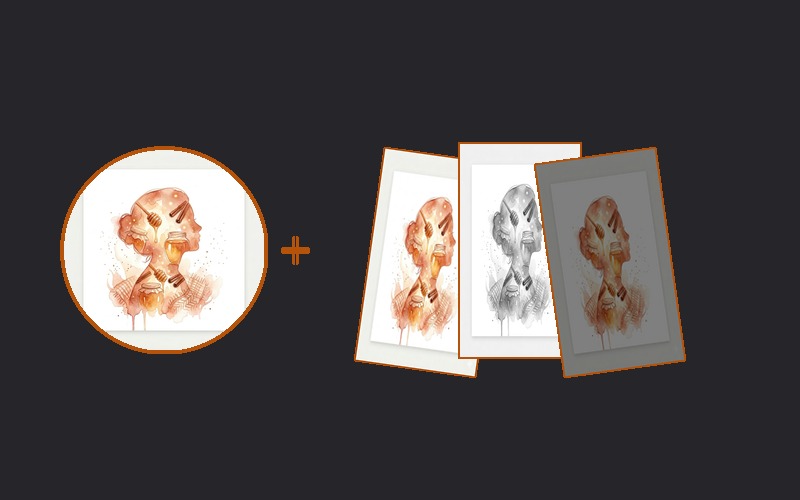 BEST VALUE
 Complete Bundle
$44Everything: your full archetype report + 9 exclusive wallpapers. Best value.
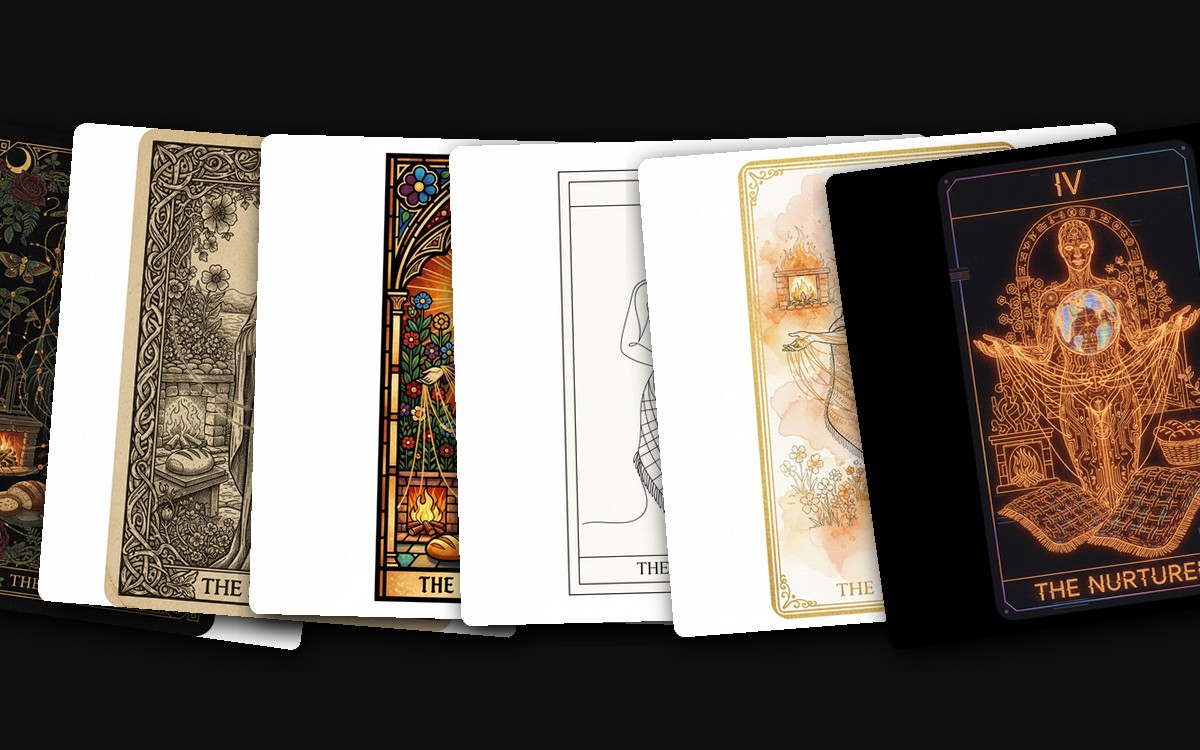 EXCLUSIVE
 Tarot Card Collection
$496 premium print-quality tarot cards in 6 stunning styles: Dark Botanical, Vintage Woodcut, Minimalist Line, Neon Mystic, Stained Glass, Watercolor Dream. Collector edition.
Pay what you want, starting at $1. Every contribution keeps this quiz free, ad-free, and accessible to everyone. Schools and NGOs get everything at no cost. This is self-knowledge for the people, not profit.