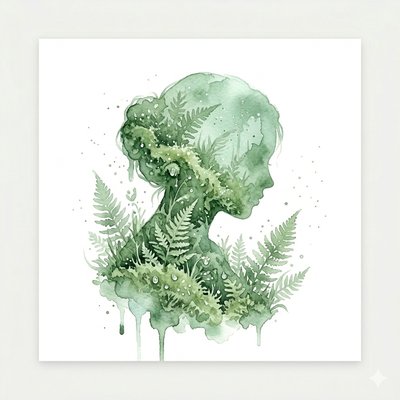
疗愈者
风暴中的那份宁静
TRAC
"你无法修补别人。你只是提供一个空间,让他们自己找到答案,自我修复。"
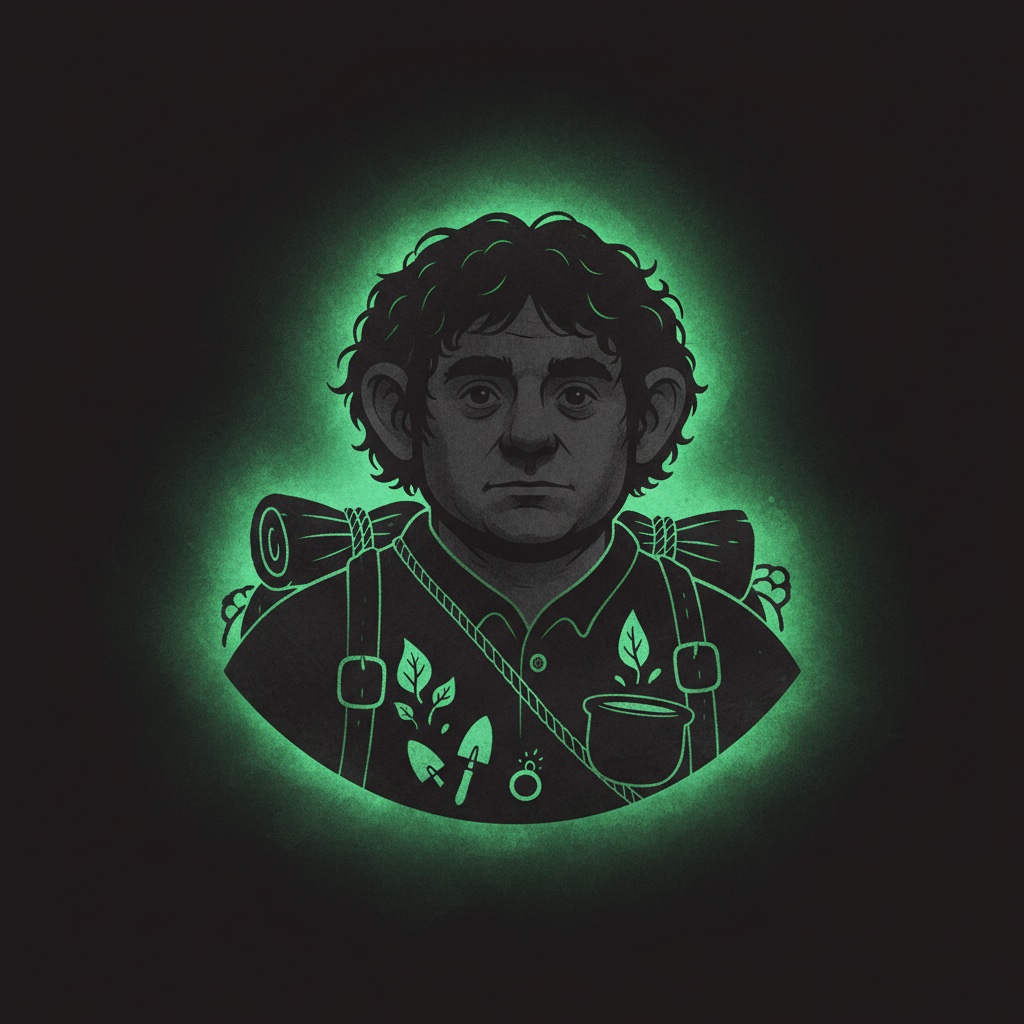
疗愈者(TRAC)属于风暴中的那份宁静,是一种torch、roots、water、compass型人格。 核心特质:平静, 临在, 富有同理心, 扎根, 耐心。 知名成员包括《老友记》里的菲比, 阿黛尔, 萨姆怀斯·甘姆吉。 在 mypeeps.ai 用我们免费的 12 道题性格测试找到你的类型,它以同行评审研究为支撑。
这就是你
你是那种让人在你身边能卸下心防、深呼一口气的人。不是因为你总能说出恰到好处的话,而是因为你根本无需多言。你的存在本身就是一剂良药。你倾听,仿佛那真的至关重要,因为对你而言,它就是。每一次都是如此。
你的平静并非空洞。它饱满而充盈。那是一种历经世事,感受过一切,却依然选择内心平和的沉静。你已经做足了功课。你曾与那些艰难困苦并肩。而现在,你为他人提供一个空间,让他们也能找到这份平静。
人们不总能理解你所做的一切。从旁观者角度看,它似乎波澜不惊,没有惊天动地的举动,也没有力挽狂澜的拯救。但那些曾被你温柔托举过的人知道:你是他们得以挺过来的原因。他们永远不会忘记。
你的特质
你并不孤单





你的独特之处
Torch + Roots + Water + Compass makes you the emotional anchor in every room, the calm that others cling to when their world is shaking. You act (Torch) through gentle presence, stay grounded (Roots) in your values, flow (Water) around obstacles, and navigate (Compass) with quiet purpose.
Your combination is rare because it's profoundly stable. Where Fire types burn and Wings types fly, you hold. Your steadiness is not boring: it's the foundation that everything and everyone else rests on.
你的优势
Natural emotional first-aid: people fee
Natural emotional first-aid: people feel safe around you without knowing why
Deep patience: you can sit with discomf
Deep patience: you can sit with discomfort that makes others run
Intuitive understanding: you sense what
Intuitive understanding: you sense what people need before they say it
Grounded presence: you’re the anchor wh
Grounded presence: you’re the anchor when everything else is spinning
诚实的弱点
You can absorb others’ pain and forget t
You can absorb others’ pain and forget to process your own
Your patience can become passive, somet
Your patience can become passive, sometimes people need a push, not a hug
You may attract people who only take and
You may attract people who only take and never give back
Your calm exterior can hide a storm insi
Your calm exterior can hide a storm inside that nobody knows about
你如何做决定
Someone you love is making a choice that will hurt them. Your Water says flow with their decision. Your Compass says tell them the truth. Your Roots say stay no matter what. You'll probably share your perspective gently, then stand beside them regardless of what they choose. That's not weakness: that's the Healer's discipline.
A colleague is being bullied and everyone else is looking the other way. Your Torch activates: you act. But you don't confront loudly. You approach the bully privately, name what you've observed calmly, and make it clear this ends now. Quiet power is still power.
契合度
人际关系
You love through presence. Your partner feels held, understood, and safe with you. The risk: you absorb their pain and forget to discharge it. Build rituals that separate 'holding space' from 'carrying weight.'
You're the friend who books the restaurant, organizes the trip, and remembers to check in after the hard conversation. People rely on you because you're reliable. But sometimes you need a friend who makes YOU sit down and talk about YOUR feelings for once.
Full relationship guide →职业与工作风格
你的职业画像
You're built for roles where emotional safety IS the deliverable, therapy, nursing, teaching, crisis counseling, or any environment where your calm presence is the most valuable thing in the room. Avoid careers that mistake loudness for leadership.
适合你的职业
Emergency response, project management, or nonprofit leadership, environments where decisive emotional action saves the day and committees just slow things down.
Event planning, community organizing, or team leadership, roles where showing up and making things happen IS the job description.
Teaching, coaching, or social work, careers where your instinct to act on behalf of others becomes a superpower, not a liability.
Family therapy, community development, or local government, work that deepens connections rather than constantly building new ones.
Heritage industries, hospitality, or education, careers where institutional knowledge and continuity are genuinely valued.
Healthcare, eldercare, or mentorship programs, roles where showing up consistently IS the most important thing you do.
Mediation, diplomacy, or HR, roles where reading the room and navigating competing needs is the actual skill.
Nursing, palliative care, or therapy, careers where emotional presence and gentle adaptation heal people.
Design thinking, user research, or change management, work where understanding how people actually feel matters more than how they should feel.
Mission-driven organizations, ethical business, or values-based investing, careers where your internal north star aligns with the organization's actual direction.
Quality assurance, editorial standards, or compliance, roles where 'this is the right way to do it' isn't annoying, it's the whole job.
Leadership coaching, curriculum design, or strategic planning, work where your clarity of purpose helps other people find theirs.
应当避开的职业
Purely analytical roles with no human contact, data entry, backend systems, compliance auditing. You'll feel like your soul is being slowly siphoned.
Cultures that reward 'strategic patience' over action. You'll start fixing things nobody asked you to fix, and they won't thank you for it.
Startup culture that celebrates 'pivoting' every quarter. Your strength is building things that last, not things that iterate into oblivion.
Remote-first global teams with zero in-person connection. You need to see the people you're working with. Slack emojis don't count.
Aggressive sales or competitive trading floors where emotional attunement is treated as weakness. They'll eat you alive, and you'll let them.
Roles that demand you be the loudest voice in the room. You influence through resonance, not volume.
Environments where the mission statement is marketing and the actual culture is 'whatever makes money.' You'll spend all your energy fighting a system that doesn't want to be fixed.
Roles that require constant compromise on principles. You can negotiate tactics, but compromising on values makes you physically ill.
你的工作风格
You need to feel useful. Not theoretically useful, tangibly, visibly, right-now useful. You thrive when there's a clear problem, a deadline, and people counting on you. The worst environment for you is one where meetings happen about meetings, and nothing actually gets done. Give you ownership and urgency, and you'll move mountains. Give you a committee, and you'll quietly lose your mind.
作为同事的你
You're the colleague who takes charge when things fall apart. People follow you in a crisis because you radiate calm competence. The risk is that you can steamroll quieter voices in your urgency to act. The best teams give you the lead when speed matters and pull you back when nuance does.
压力之下
When you're stressed, your first instinct is to DO something, anything. Clean the house, start a project, help someone, fix a problem that isn't yours. This looks productive from the outside. From the inside, it's avoidance with good optics. The thing causing the stress doesn't get addressed because you're too busy being useful somewhere else.
Your stress signal is when you can't sit still. When every quiet moment feels intolerable, when you'd rather reorganize the garage than feel what you're feeling: that's your cue to stop. Not forever. Just long enough to ask: what am I running from?
When you're stressed, you grab onto what's familiar. Old routines, old places, old coping mechanisms. This feels safe and stabilizing. But if the stress is caused by something that requires change, your retreat to the familiar can keep you stuck in the exact pattern that's hurting you.
Your stress signal is when you start sentences with 'I've always...' or 'That's just how I am.' When your identity becomes a shield against growth, your roots have become chains. The healthiest thing you can do under stress is try one new thing, just one, and notice that the ground doesn't collapse.
When you're stressed, you go quiet. You adapt so seamlessly to the needs around you that nobody notices you're drowning. You keep flowing, keep accommodating, keep being the calm one, while internally, you're disappearing. Your stress response is invisible, which makes it dangerous.
Your stress signal is when you can't remember the last time you said 'no' or the last time you wanted something for yourself. When your adaptability becomes self-erasure, you need to create a disruption, say something selfish, make a demand, take up space. It will feel wrong. It's not.
When you're stressed, you grip your direction harder. You become more rigid, more certain, more unwilling to consider alternatives. This looks like strength, clear head, decisive action, but it's actually fear disguised as conviction. You're afraid that loosening your grip means losing your way.
Your stress signal is when other people's perspectives start feeling like attacks on your identity. When 'I disagree' triggers 'you don't understand me,' your compass has become a weapon. The healthiest response is to deliberately seek out a perspective that challenges your certainty. Not to adopt it, just to hold it alongside your own.
Your stress antidote is nature and solitude. When you're overwhelmed by the emotions of others, you need to return to your own roots, literally. A walk in a forest resets you faster than any therapy session.
高压下你如何沟通
You communicate through demonstration. 'Let me show you' is more natural to you than 'let me tell you.' You build trust through consistent action, not eloquent words. People know where they stand with you because your behavior is your message.
The gap in your communication is the emotional layer. You express care through effort, but some people need to hear the words. Practice saying 'I love you' or 'I'm worried about you' without immediately following it with an action item.
You communicate through reliability. Your words have weight because you've always backed them up. People trust your promises because you've never broken one (or if you have, you fixed it). Your communication style is steady, warm, and grounding.
The gap is that you can default to 'safe' conversations. You know how to make people comfortable, but sometimes growth requires discomfort. Practice sharing an opinion that might create friction. Your relationships are strong enough to handle it.
You communicate through attunement. You match the emotional frequency of whoever you're talking to, which makes them feel deeply understood. You're the person who makes introverts open up and extroverts calm down. Your communication is a bridge.
The gap is your own voice. You're so good at reflecting others that people may not know what YOU actually think or feel. Practice starting sentences with 'I want' or 'I believe' without checking the room's temperature first.
You communicate with purpose and clarity. Every conversation with you goes somewhere. You don't ramble, you don't hedge, and you don't say things you don't mean. This makes you trustworthy and efficient: people know that when you speak, it matters.
The gap is curiosity. Your clarity can come across as closed-mindedness. Practice asking 'tell me more' even when you already have an opinion. People will share more with you when they feel explored, not evaluated.
7 天成长挑战
Small daily actions to build resilience and break your stress patterns.
Monday: Say 'no' to one request today without explaining why.
Tuesday: Express one need of your own before anyone asks you for anything.
Wednesday: Let someone sit with their own discomfort instead of rushing to soothe them.
Thursday: Do something physically energetic, break your calm container on purpose.
Friday: Share an opinion that might create disagreement. You'll survive it.
Saturday: Ask for help with something emotional. Let someone hold space for YOU.
Sunday: Check in: how much of what you carried this week was actually yours?
成长路径
Set one boundary this week that protects your ener
Set one boundary this week that protects your energy. Say it out loud.
Ask yourself: am I holding space, or am I hiding?
Ask yourself: am I holding space, or am I hiding? There’s a difference.
Let yourself be messy in front of someone
Let yourself be messy in front of someone. Healers need healing too.
Practice the word ‘no’ without explanation
Practice the word ‘no’ without explanation. It’s a complete sentence.
日常生活
You communicate through demonstration. 'Let me show you' is more natural to you than 'let me tell you.' You build trust through consistent action, not eloquent words. People know where they stand with you because your behavior is your message.
Communication, hobbies, pets & more →你的劲敌

你通过静止获得疗愈。他们通过运动实现蜕变。你在一处深耕细作。他们则广撒网。你让别人扎根。他们则以一种美妙的方式,动摇他们的固有观念。
 NEW
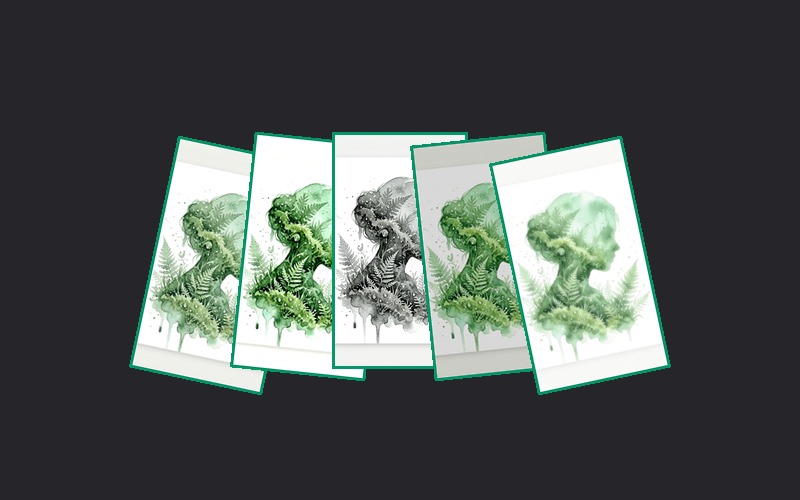
NEW Mood Wallpaper Pack
$266 mood wallpapers (Power, Storm, Calm, Love, Shield, Growth) + 3 affirmation lock screens. 9 exclusive phone backgrounds.
 BEST VALUE
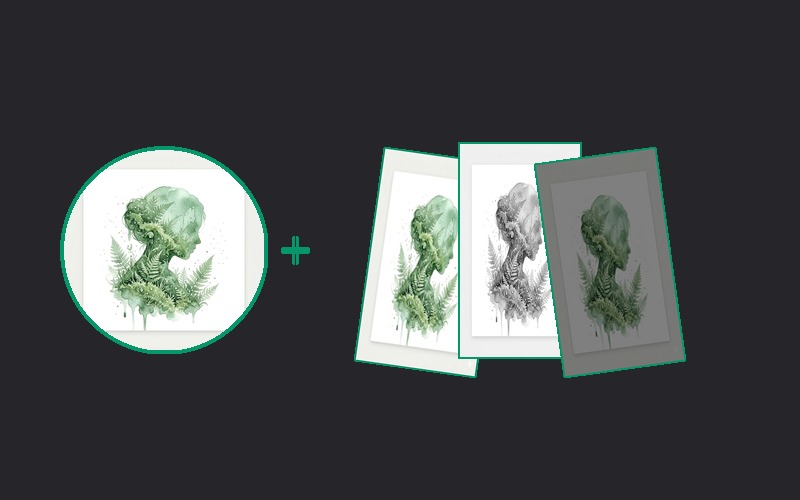
 Complete Bundle
$44Everything: your full archetype report + 9 exclusive wallpapers. Best value.
 EXCLUSIVE
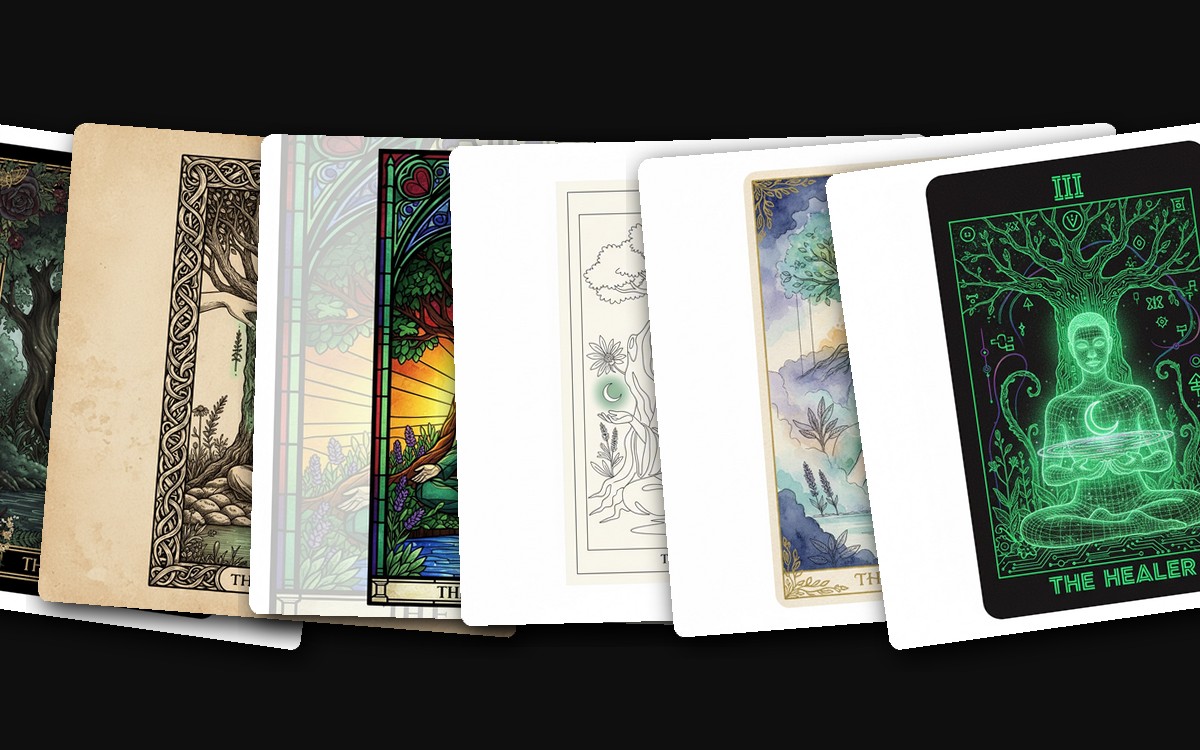
 Tarot Card Collection
$496 premium print-quality tarot cards in 6 stunning styles: Dark Botanical, Vintage Woodcut, Minimalist Line, Neon Mystic, Stained Glass, Watercolor Dream. Collector edition.
Pay what you want, starting at $1. Every contribution keeps this quiz free, ad-free, and accessible to everyone. Schools and NGOs get everything at no cost. This is self-knowledge for the people, not profit.
常见问题
疗愈者 属于哪种性格类型?
疗愈者 属于风暴中的那份宁静类型(TRAC):Torch · Roots · Water · Compass。你是那种让人在你身边能卸下心防、深呼一口气的人。不是因为你总能说出恰到好处的话,而是因为你根本无需多言。你的存在本身就是一剂良药。你倾听,仿佛那真的至关重要,因为对你而言,它就是。每一次都是如此。
疗愈者 有哪些知名成员?
疗愈者 的知名成员包括《老友记》里的菲比 (出人意料的沉稳力量,看透世事纷扰,以独特的智慧提供支持); 阿黛尔 (将痛苦化为美丽,沉稳扎根,情感真挚,让每个人都感到不再孤单); 萨姆怀斯·甘姆吉 (当你无法支撑自己时,他会成为你稳固而治愈的港湾,将你托起(《指环王》)); 艾玛·斯通 (沉稳,温暖,专注,让脆弱成为世上最勇敢的姿态); 梅雷迪思·格蕾 (风暴中的平静,在关键时刻挺身而出,通过临在治愈(《实习医生格蕾》)); 布琳·布朗 (将脆弱变为超能力,以研究为根基,专注于帮助人们自我疗愈)。
疗愈者 的劲敌是谁?
疗愈者 的劲敌是 魅惑者(磁性十足、躁动不安、魅力四射)。你通过静止获得疗愈。他们通过运动实现蜕变。你在一处深耕细作。他们则广撒网。你让别人扎根。他们则以一种美妙的方式,动摇他们的固有观念。
深入了解 疗愈者
了解疗愈者 的优势与超能力,看看疗愈者 最合得来的是谁,再读一读疗愈者 的关系与爱的完整指南。
在工作上,看看最适合 疗愈者 的职业,了解疗愈者 如何应对压力。日常方面,看看疗愈者 的日常,也认识一下疗愈者 的知名成员。
Get your full The Healer report, free
Your The Healer report: your emotional blueprint, superpowers, blind spots, compatibility, and growth. One email and it is yours.
One email. One confirmation click and the PDF is yours. No spam, leave anytime.