
Strengths & Weaknesses
Team Confucius - The Anthropologists
What Makes You Unique
You are the guardian of wisdom, disciplined in character, principled in thinking, devoted to mastery, and accountable to the community you serve. Where others chase novelty, you cultivate depth. Where others disrupt, you preserve. Not because you fear change, but because you understand that the best ideas need centuries to prove themselves, and someone has to keep them alive during the centuries that forget.
The tension in your combination is between your Rationalist idealism and your Agora pragmatism. Your principles are absolute, but the people you serve are messy, contradictory, and imperfect. The challenge of your type is maintaining impossibly high standards while meeting people exactly where they are. When you get this right, you become the teacher everyone remembers, the one who expected everything and gave everything.
Your Strengths
Institutional Memory
You remember what worked, what failed, and why. In a world obsessed with the new, your knowledge of what came before is an irreplaceable asset.
Teaching Excellence
You don't just know things: you can teach them. Your Agora nature combined with Sisyphean depth produces explanations that are both thorough and accessible.
Principled Leadership
People follow you because you live your principles, not because you demand followers. Your moral authority is earned through consistency, not charisma.
Community Stewardship
You build and maintain communities that outlast their founders. Your Agora-Sisyphean combination creates institutions, not just groups.
Patience Under Pressure
Your Stoic core means you don't panic, and your Sisyphean nature means you don't rush. In crises, you're the calm, deliberate leader everyone gravitates toward.
Wisdom Accumulation
Your knowledge deepens every year. Unlike Promethean types who jump between domains, you master one field so thoroughly that your judgment becomes almost instinctive.
Honest Weaknesses
Resistance to Innovation
Your reverence for tradition can blind you to necessary change. Not every new idea is a threat to what you've built, some are the next chapter.
Pedagogical Control
Your teaching instinct can become controlling. You may try to shape people according to your vision of who they should be, rather than who they actually are.
Inflexible Standards
Your Stoic-Rationalist principles can become rigid rules. When the context changes but your standards don't, you risk being principled at the expense of being effective.
Burnout Through Duty
Your sense of obligation to your community (Agora) combined with your refusal to cut corners (Sisyphean) and your inability to complain (Stoic) creates a perfect storm for silent burnout.
Your Shadow Side
The patterns you fall into when you're not at your best. Uncomfortable, but knowing them is the first step.
Ego Traps
You mistake emotional suppression for emotional strength. Your ego tells you that feeling nothing makes you superior to people who feel everything. It doesn't: it makes you a ticking bomb with excellent posture.
You believe that being logical makes you objective. Your ego tells you that your conclusions are bias-free because they're built from premises, not feelings. But your choice of premises IS the bias: you just can't see it because it looks like logic.
You believe that your high standards make you virtuous. Your ego tells you that caring more about quality than anyone else makes you better than them. It doesn't: it makes you slower, and sometimes the difference between your 'perfect' and their 'good enough' is invisible to everyone except you.
You believe that being liked means being good. Your ego is fed by social approval, and your instinct to please can override your commitment to truth. You'll soften a harsh but necessary message because delivering it would cost you popularity.
Toxic Patterns
You weaponize silence. When you're angry, you don't fight: you withdraw. You punish people by withholding your presence, your words, your engagement. You call it 'not being reactive.' They call it 'emotional abandonment.'
You argue to win, not to understand. Your intellectual precision becomes a weapon: you dismantle people's positions with surgical efficiency, then wonder why they stop talking to you. Being right and being kind are different skills.
You use perfectionism to control situations and people. Your standards become rules that others must follow, and 'not good enough' becomes your way of maintaining power. You call it quality control. Others call it micromanagement.
You create dependency. Your warmth and availability make people rely on you, and you subtly encourage that reliance because it makes you feel needed. Your generosity has a shadow: it keeps people close by keeping them dependent.
Self-Sabotage
You refuse help until you collapse. Your identity is so wrapped up in self-sufficiency that accepting support feels like failure. You'd rather burn out alone than admit you need someone.
You over-think everything until action becomes impossible. Your mind can build a perfect model of every scenario, including all the reasons not to act. Analysis becomes the activity, and the actual thing never gets done.
You never ship. You never finish. You never let go. Your work sits in a perpetual state of 'almost ready' because releasing it means accepting that it's imperfect, and imperfection feels like death to you.
You outsource your judgment. You poll so many people before every decision that your own voice gets drowned out. You know what everyone else thinks but have lost track of what you think. Consensus becomes a substitute for conviction.
How You Think
You decide by asking 'what must be done?', duty and discipline override preference. You're comfortable with unpleasant decisions because you separate emotion from action.
You decide by asking 'what follows logically?': you reason from principles, not precedent. If the logic is sound, you'll go against popular opinion without hesitation.
You decide by asking 'what will stand the test of time?': you choose depth over breadth and quality over speed. You're willing to wait for the right answer.
You decide through dialogue. You test your thinking against other people's perspectives, synthesize the best ideas, and emerge with a decision that's stronger than any individual input.
How You Decide
A younger colleague proposes discarding a tradition you've maintained for years. You'd listen carefully, ask probing questions, and only agree if they could demonstrate that the new approach preserves the values the tradition was designed to protect. The method can change; the purpose cannot.
Offered a promotion to a role with more prestige but less direct teaching. You'd agonize, then probably decline. Your identity is so bound to the act of transmission that removing you from the classroom would be like promoting a surgeon to hospital administrator.
A student struggles despite your best efforts. You wouldn't give up: you'd adjust your approach, try new methods, and keep showing up. Your Stoic endurance and Agora commitment mean you're the last teacher to abandon a struggling learner.
Keep exploring
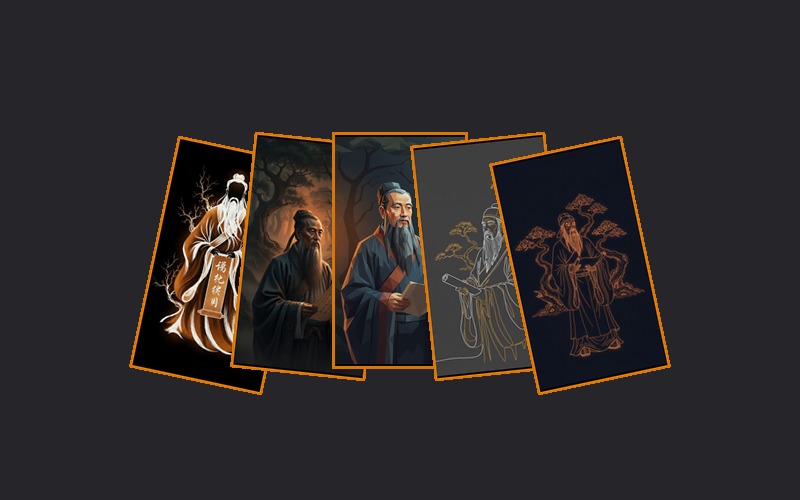 NEW
NEW Wallpaper Pack
$266 exclusive phone wallpapers, low-poly, neon blueprint, vintage engraving, minimalist, abstract, and cinematic.
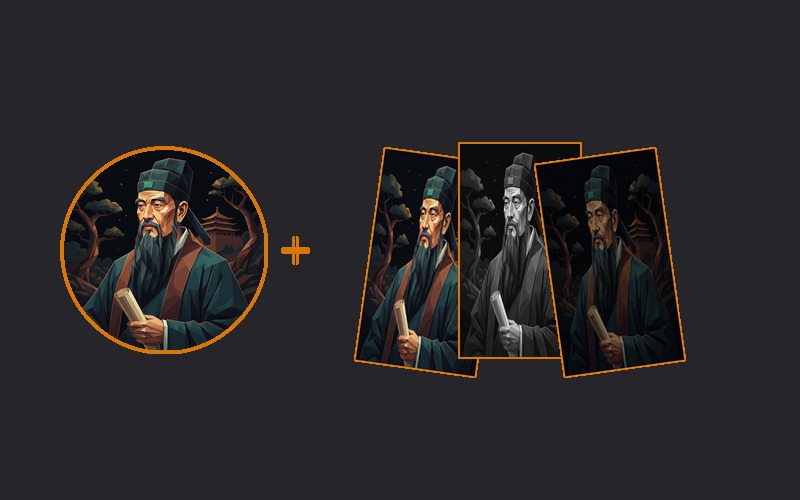 BEST VALUE
 Complete Bundle
$44Everything: the 24-chapter Deep Dive report + 6 exclusive wallpapers. Best value.
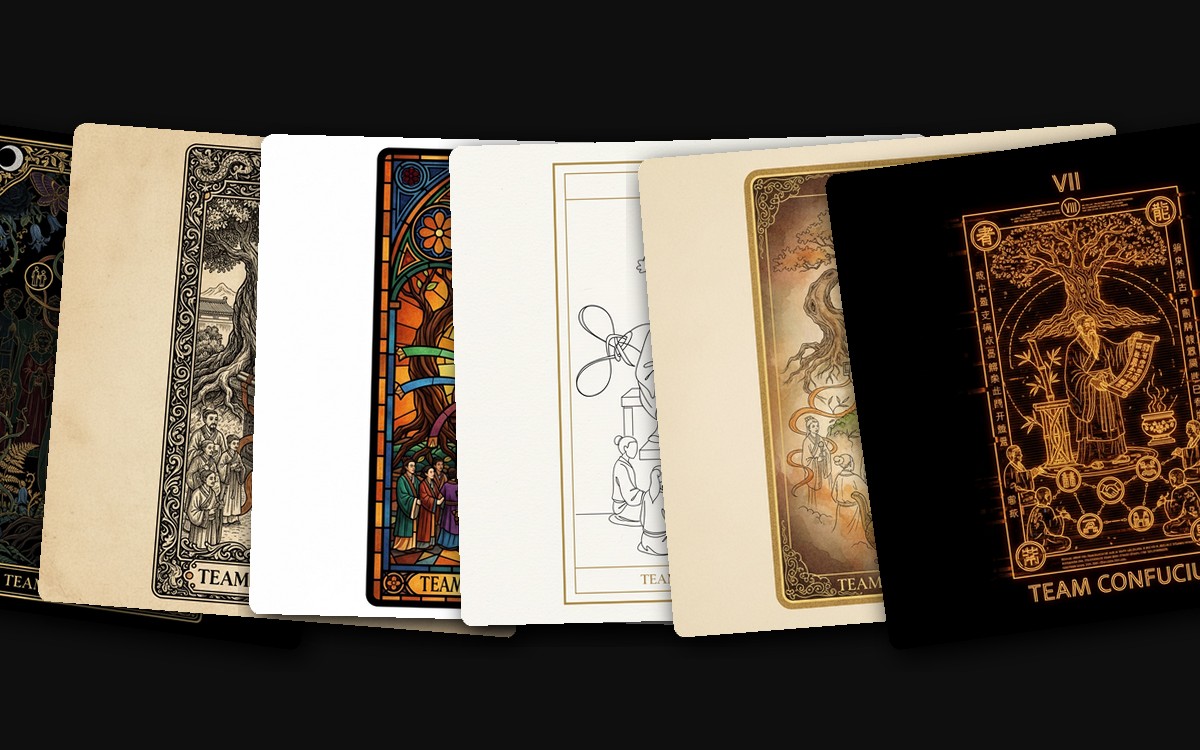 EXCLUSIVE
 Tarot Card Collection
$496 premium print-quality tarot cards in 6 stunning styles: Dark Botanical, Vintage Woodcut, Minimalist Line, Neon Mystic, Stained Glass, Watercolor Dream. Collector edition.
Pay what you want, starting at $1. Every contribution keeps this quiz free, ad-free, and accessible to everyone. Schools and NGOs get everything at no cost. This is self-knowledge for the people, not profit.