
Career & Money
Team Da Vinci - The Tinkerers
Your Career Profile
You belong in exploratory roles, field research, R&D labs, design studios, or any environment that feeds your curiosity and doesn't punish your tangents. You're the person who finds the breakthrough that nobody was looking for because you were looking at everything. Avoid jobs that require you to specialize in one domain, follow rigid processes, or explain your work in progress to committees.
Careers That Fit
Creative direction, brand strategy, or UX design, roles where emotional authenticity and taste drive outcomes, not just data.
Teaching, coaching, or mentorship, work where your contagious enthusiasm becomes someone else's breakthrough. Your energy is a force multiplier.
Entrepreneurship, content creation, or product innovation, environments where passion sustains you through the grind better than a paycheck ever could.
Data science, lab research, or investigative journalism, work where truth is found through observation, not assertion.
Product management, operations, or process improvement, roles where 'what actually happened' matters more than 'what should have happened.'
Trades, craftsmanship, or hands-on engineering, careers where competence is measured by outcomes, not credentials.
R&D, invention, or early-stage startups, environments where creating something that doesn't exist yet is the entire point.
Creative arts, game design, or speculative architecture, work where imagination is the primary tool and constraints are suggestions.
Venture capital, trend forecasting, or innovation consulting, roles that reward spotting what's next before anyone else does.
Software development, writing, or solo research, work where deep focus and uninterrupted thinking produce the best outcomes.
Remote or asynchronous roles, environments where your output matters more than your presence and nobody counts how many meetings you attended.
Forensic analysis, cryptography, or puzzle-solving, careers where the answer reveals itself to the person willing to sit with the problem longest.
Careers to Avoid
Highly procedural roles in compliance, accounting, or bureaucratic institutions. The repetition will deaden the thing that makes you exceptional.
Toxic hustle culture that confuses burnout with dedication. You need to love the work, 'just push through' isn't in your operating system.
Pure strategy consulting or think-tank roles where ideas never get tested against reality. You'll feel like you're playing pretend.
Visionary leadership positions that demand you sell a future nobody can prove yet. You struggle to champion ideas before the evidence exists.
Maintenance engineering, operations, or support roles where the goal is keeping existing systems running. You'll feel like you're dying slowly.
Heavily regulated industries (banking, healthcare compliance) where innovation requires 18 months of approvals. Your pace and their pace will never align.
Open-plan office cultures with mandatory 'collaboration hours' and team-building retreats. You'll spend more energy managing your exhaustion than doing your work.
Client-facing roles that require constant social performance. You can do it, but it drains the battery that powers your real work.
Your Work Style
You need meaning in your work, not just a mission statement, actual, daily meaning. You perform best when you believe in what you're building and the people you're building it with. Flexibility matters more to you than hierarchy. You'll take a pay cut to work on something that matters. The danger is chasing novelty when the current work gets hard, build checkpoints that force you to finish before you pivot.
You want to touch the work. Reports about the work don't satisfy you: you want to see the data, run the test, talk to the customer. You're the person who says 'let me check' while everyone else is guessing. You thrive in iterative environments where feedback loops are short and results are measurable. Your frustration point is organizations that make decisions by committee and opinion rather than evidence.
You need a frontier. A green field. A blank canvas. You're most productive in the first 80% of any project, the concept, the prototype, the proof of concept. After that, your attention wanders. The smartest thing you can do is build teams that include people who love the last 20%. Your workspace is probably messy, your browser has 40 tabs open, and you have three unfinished projects that are each better than most people's finished ones.
You do your best thinking when nobody is watching. Your ideal workday has long blocks of uninterrupted time, async communication, and the freedom to disappear into a problem for hours. You're not antisocial: you're selectively social. You choose your interactions carefully because each one costs energy that could go toward the work. The organizations that get the best from you are the ones that judge output, not availability.
Your Money Philosophy
How You Spend
You spend on experiences, quality, and things that bring genuine joy. You're not reckless: you're intentional about pleasure. The expensive coffee is worth it if it makes your morning better. The problem comes when every morning needs upgrading.
You research every purchase. You compare prices, read reviews, wait for sales, and never buy on impulse. Your spreadsheet knows more about your finances than your partner does. This is efficient, and occasionally exhausting for everyone around you.
You invest in bets, the startup, the equipment for a new hobby, the course for a skill you might never use. Your spending follows your curiosity, which means your bank account tells the story of everything you've ever been excited about.
Your expenses are low because your lifestyle is low-maintenance. You don't need much, a quiet space, your tools, your essentials. You're naturally frugal, not by philosophy but by preference. You just don't want that much stuff.
Financial Blind Spots
You under-save for the future because the present feels more real. 'I'll worry about retirement later' is your financial mantra, and it works until later arrives. Building a boring savings habit is your most important financial growth edge.
You over-optimize small purchases and under-think big ones. You'll spend an hour comparing $3 toothpaste but make a career change without calculating the financial impact. Zoom out occasionally.
You over-invest in potential and under-invest in stability. Every new project gets funding; no project gets maintenance budget. Your financial life has the same problem as your creative life: brilliant starts, shaky follow-through.
You under-invest in social infrastructure, the dinner out, the group trip, the round of drinks. These feel unnecessary to you, but they're the price of maintaining the relationships that enrich your life.
Money Strengths
You spend on what actually matters to you, not on status symbols. Your money goes toward genuine quality of life, and you rarely waste it on things you don't use or enjoy.
Data-driven financial decisions. You track spending, compare returns, and make evidence-based investment choices. Your finances are probably in better shape than you give yourself credit for.
Risk tolerance. You're comfortable with financial uncertainty in a way that most people aren't. This makes you a natural entrepreneur and an above-average investor, as long as you don't bet everything on one idea.
Natural minimalism. You don't suffer from lifestyle inflation because you genuinely don't want more things. Your savings rate is probably higher than your income would suggest.
You as a Colleague
You're the colleague who raises morale and makes the team actually want to show up. Your enthusiasm is contagious and your emotional intelligence catches problems before they become crises. The trap: you may avoid necessary conflict because it threatens the positive atmosphere you've built. Sometimes the most caring thing is the hard conversation.
You're the colleague who grounds the team in reality. When everyone is excited about a plan, you're the one checking whether the numbers actually work. This makes you essential and occasionally unpopular. The trap: being right isn't enough: you need to learn to deliver truth in a way people can hear. Evidence wrapped in empathy lands better than evidence alone.
You're the colleague who starts things. New initiatives, new approaches, new ways of thinking about old problems. You energize teams that have gone stale and challenge assumptions that nobody else questions. The trap: you can leave a trail of started-but-not-finished projects that frustrate the people who have to maintain them. Pair your vision with a plan for who finishes what you start.
You're the colleague who produces remarkable work with minimal oversight. You don't need check-ins, status meetings, or collaborative brainstorms to be productive: you need a quiet room and a clear brief. The trap: your independence can make you invisible. The people who decide promotions don't always see the work: they see the person. Make your contributions visible enough that the right people notice.
Keep exploring
 NEW
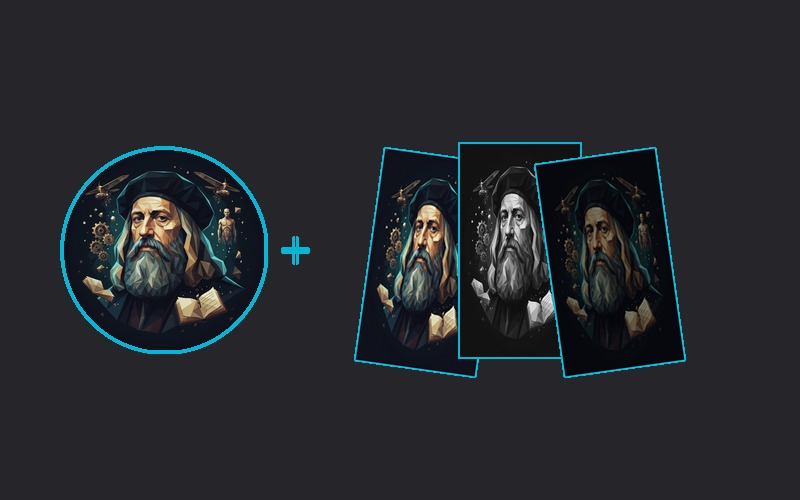
NEW Wallpaper Pack
$266 exclusive phone wallpapers, low-poly, neon blueprint, vintage engraving, minimalist, abstract, and cinematic.
 BEST VALUE
 Complete Bundle
$44Everything: the 24-chapter Deep Dive report + 6 exclusive wallpapers. Best value.
 EXCLUSIVE
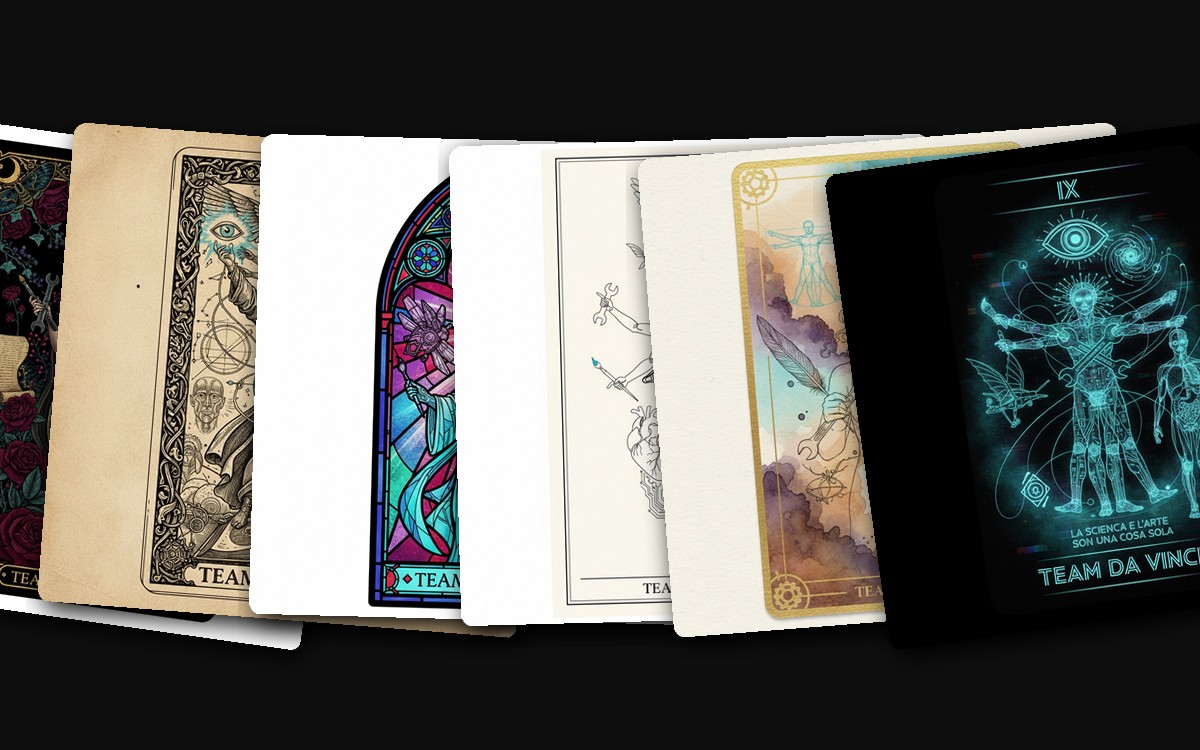
 Tarot Card Collection
$496 premium print-quality tarot cards in 6 stunning styles: Dark Botanical, Vintage Woodcut, Minimalist Line, Neon Mystic, Stained Glass, Watercolor Dream. Collector edition.
Pay what you want, starting at $1. Every contribution keeps this quiz free, ad-free, and accessible to everyone. Schools and NGOs get everything at no cost. This is self-knowledge for the people, not profit.